
In any group setting, from online forums to professional organizations, long-time members carry significant weight in defining acceptable behavior and cultural expectations. These veteran members serve as the unofficial architects of community norms, shaping how groups function through their actions, reactions, and established patterns of interaction.
The term “veteran member” refers to individuals who have maintained active participation in a community over an extended period. Unlike newcomers who are still learning the ropes, veteran members possess institutional knowledge, established relationships, and a deep understanding of the group’s values. This experience grants them informal authority that extends beyond any official role they might hold.
How Social Norms Take Root in Communities
Social norms emerge through repeated observation and reinforcement. When newcomers join a community, they instinctively look for behavioral cues to guide their participation. Veteran members provide these cues through their consistent actions and responses to others’ behavior.
Research shows that three factors determine how quickly group norms solidify: frequency of the behavior, uniformity among visible members, and consistency over time. Veteran members naturally embody all three factors. Their regular participation means newcomers observe their behavior frequently. As established voices in the community, they often represent what appears to be uniform acceptance of certain practices. Their long tenure demonstrates consistency in upholding specific standards.
This process operates largely beneath conscious awareness. A new member might not realize they are adopting the communication style or participation patterns of veteran members, yet these influences shape their behavior from their first interactions.
The Mechanisms of Influence
Veteran members shape community norms through several distinct mechanisms. Direct modeling occurs when long-time members demonstrate desired behaviors through their own actions. When a veteran member takes time to write thoughtful responses, welcomes new participants, or handles disagreements constructively, they establish a template others follow.
Social reinforcement represents another powerful mechanism. Veteran members signal approved behaviors through their responses, whether through recognition, engagement, or visible rewards like upvotes and comments. Conversely, they discourage unwanted behaviors through silence, correction, or in severe cases, direct confrontation.
The third mechanism involves gatekeeping, though this can manifest in both helpful and harmful ways. Veteran members often control access to knowledge, relationships, and opportunities within the community. They decide which newcomers receive mentorship, whose contributions get amplified, and who becomes integrated into the inner circle.
The Newcomer Experience
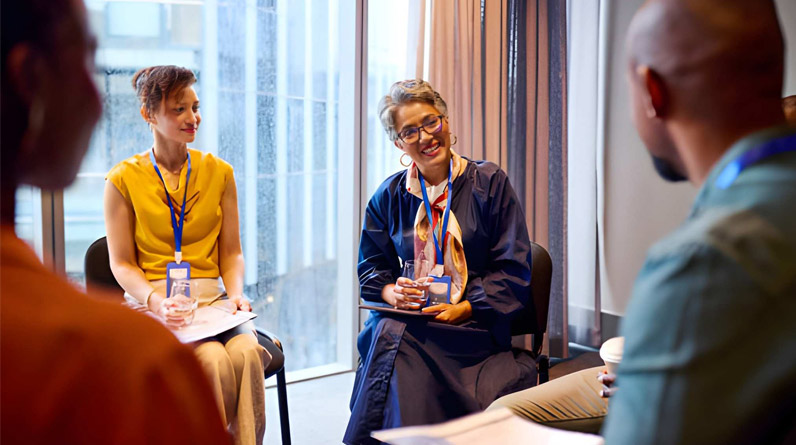
For individuals entering an established community, the presence of veteran members creates both opportunities and challenges. Newcomers benefit from the structure and predictability that established norms provide. Clear expectations reduce anxiety about how to participate appropriately.
However, this same structure can feel exclusionary. Communities with strong veteran member influence sometimes develop an informal hierarchy where tenure equals credibility, regardless of the actual merit of contributions. Inside references, established communication patterns, and relationship networks can make newcomers feel like perpetual outsiders.
Studies of online health support communities found that newer members initially seek informational and emotional support, while veteran members focus more on social relationships and helping others. This shift in motivation affects how different tenure groups interact and what they value from their participation.
Balancing Stability and Growth
Successful communities strike a balance between respecting established norms and remaining open to evolution. Veteran members who rigidly enforce traditional practices can stifle innovation and drive away fresh perspectives. Yet communities that lack continuity struggle to maintain cohesive culture or institutional knowledge.
The healthiest approach involves veteran members acting as cultural ambassadors rather than gatekeepers. This means actively welcoming newcomers, explaining rather than assuming shared context, and showing genuine interest in fresh viewpoints. It also requires veteran members to recognize when established practices no longer serve the community’s current needs.
Organizations implementing formal mentorship programs or buddy systems can help bridge the gap between veteran members and newcomers. These structures provide newcomers with clear guidance while giving veteran members a framework for sharing knowledge without dominating the space.
Common Misconceptions About Veteran Member Influence
A widespread misconception suggests that veteran members always want to maintain the status quo. In reality, many long-time community participants actively seek innovation and improvement. What appears as resistance to change often reflects concern about preserving core values while adapting peripheral practices.
Another misunderstanding assumes newcomers cannot influence established norms. While veteran members do carry significant weight, research demonstrates that newcomers who show genuine commitment to the community’s mission can successfully advocate for change. The key lies in first demonstrating investment in the group’s welfare rather than immediately pushing for modifications.
Finally, many assume veteran member influence operates through formal mechanisms like rules or official positions. The reality is far more subtle. Most norm-shaping happens through informal interactions, everyday examples, and the cumulative effect of consistent behavior over time. A veteran member’s casual comment about proper conduct often carries more weight than written guidelines.
When Veteran Member Influence Becomes Problematic
Not all veteran member influence benefits community health. Problems arise when long-time members form closed circles that exclude outsiders, when they use their status to suppress dissenting views, or when they perpetuate harmful norms simply because “that’s how we’ve always done it.”
Toxic veteran members can poison community culture by modeling destructive behaviors that newer members then replicate. If respected long-time participants engage in personal attacks, dismiss others’ contributions, or create cliques, these patterns often spread throughout the group.
Communities should remain alert to signs of unhealthy veteran member dominance: declining participation from newer members, complaints about feeling unwelcome, high turnover rates, or stagnant discussions that recycle old topics without fresh perspectives. Addressing these issues requires both structural changes and direct engagement with influential veteran members about their impact.
Practical Strategies for Community Builders

Community managers and leaders can harness positive veteran member influence while mitigating potential downsides. First, make implicit norms explicit through clear documentation of community values and behavioral expectations. This removes the burden from newcomers to decode unwritten rules.
Second, create multiple pathways for participation that do not require veteran member approval. Regular opportunities for all members to contribute, showcase work, or lead discussions prevent excessive gatekeeping.
Third, recognize and reward veteran members who actively support newcomers. Highlighting these positive examples reinforces helpful behaviors and shows newer members what good mentorship looks like in practice.
Fourth, implement regular feedback mechanisms that give all members, regardless of tenure, a voice in community direction. Surveys, town halls, or suggestion systems ensure veteran members do not unintentionally drown out other perspectives.
The Evolution of Member Influence Over Time
As communities mature, the nature of veteran member influence typically shifts. Early-stage groups often see founding members establish basic norms and culture. As the community grows, a broader group of veteran members emerges, sometimes leading to competing visions of appropriate conduct.
In mature communities, veteran member influence becomes more diffuse. Long-time participants may focus on specialized areas rather than broad community governance. New leadership emerges from members who joined later but demonstrated consistent commitment.
This natural evolution requires veteran members to adapt their role. Those who successfully transition from norm-setters to mentors and institutional memory keepers continue to provide value without constraining community growth. Those who cling to outsized influence often find themselves increasingly marginalized as the community develops beyond their control.
Creating an Inclusive Community Culture
The ultimate goal is not to eliminate veteran member influence but to channel it productively. Long-time members possess invaluable knowledge and commitment that communities cannot afford to waste. The challenge lies in structuring that influence to support rather than suppress new voices.
This requires conscious effort from all parties. Veteran members must actively work against their natural tendency to prioritize familiar faces and approaches. Community leaders need systems that prevent any single group from dominating. Newcomers should receive clear pathways to meaningful participation without requiring years of tenure to gain credibility.
When these elements align, communities benefit from the stability veteran members provide while maintaining the dynamism that attracts and retains new participants. The result is a healthy ecosystem where influence derives from contribution quality and community commitment rather than simply time served.
🎬 That’s a wrap! Dive into more fresh content and join the vibe at SimpCity.