
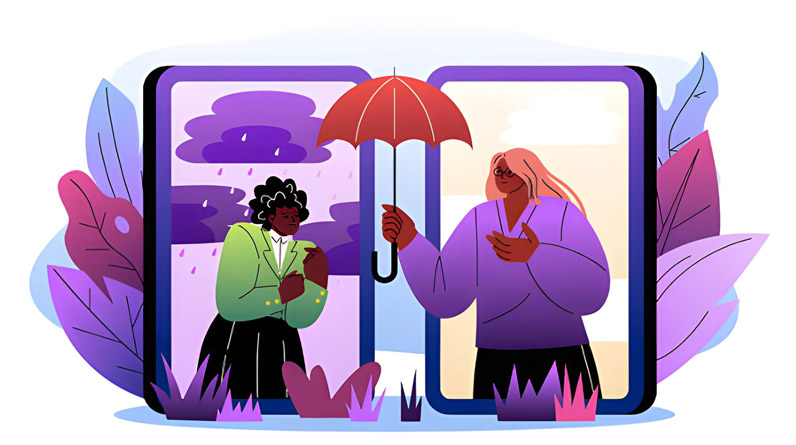
You’ve probably felt it before—that moment when your favorite content creator shares something personal, and you feel genuinely invested in their life. Maybe you check their posts daily, celebrate their wins, or feel a pang of concern when they’re struggling. You might even catch yourself thinking of them as a friend, despite never having met face-to-face.
Welcome to the world of parasocial relationships, a phenomenon that’s become increasingly prominent as online communities have woven themselves into the fabric of our daily lives. These one-sided connections aren’t new—they’ve existed since the early days of radio and television—but the internet has transformed them in ways that previous generations never experienced.
Understanding parasocial relationships isn’t just academic curiosity. It’s essential knowledge for anyone navigating today’s digital landscape, whether you’re a content consumer, creator, or simply someone trying to make sense of modern social dynamics.
What Are Parasocial Relationships?
At its core, a parasocial relationship is a one-sided emotional connection that a viewer, listener, or follower develops with a media personality or content creator. The term itself comes from “para,” meaning beside or alongside, combined with “social”—suggesting a relationship that exists alongside genuine social connections but operates quite differently.
Here’s what makes these relationships unique: while you might know intimate details about a YouTuber’s daily routine, their struggles, or their opinions on countless topics, they don’t know you exist. You’re experiencing emotional investment and connection, but it flows in only one direction. This isn’t inherently problematic—it’s simply the nature of mass media and digital platforms.
In online communities, parasocial relationships take on distinctive characteristics. Unlike traditional celebrities who maintain careful distance from their audience, digital creators often cultivate intimacy intentionally. They share morning coffee moments on Instagram Stories, respond to comments, host live streams from their bedrooms, and create content that feels like a conversation with a close friend.
The Psychology Behind the Connection
Why do we form these bonds with people who don’t actually know us? The answer lies in how our brains process social information. When you watch someone regularly—whether they’re streaming gameplay, sharing makeup tutorials, or discussing philosophy—your brain engages similar neural pathways as it would during real social interactions.
Our minds evolved in environments where if you saw someone’s face repeatedly and heard their voice sharing personal information, they were part of your social circle. The brain doesn’t always distinguish between a friend sharing stories around a campfire and a podcast host sharing stories through your earbuds during your commute.
Online communities amplify this effect through several mechanisms. First, there’s the illusion of reciprocity. When a creator addresses their camera as “you guys” or responds to comments, it creates a sense of mutual conversation even though the interaction is fundamentally asymmetrical. A streamer who says “Thanks for being here with me today” triggers the same warm feelings as genuine appreciation from a friend.
Second, consistency and routine matter tremendously. Following someone’s upload schedule—whether it’s a weekly video essay or daily vlogs—creates ritual and anticipation similar to meeting a friend for regular coffee dates. According to research from the Journal of Communication in 2023, individuals who engage with content creators on a daily basis report stronger parasocial bonds than those who watch sporadically.
Third, perceived similarity strengthens connection. When creators share struggles you’ve faced, hobbies you enjoy, or values you hold, you naturally feel closer to them. This sense of “they get me” can be powerful, especially for people who feel misunderstood in their offline lives.
Where Parasocial Relationships Thrive Online
Different platforms cultivate parasocial relationships in distinct ways, each with its own dynamics and intensity levels.
Streaming platforms like Twitch and YouTube Live create particularly strong bonds because they offer real-time interaction. When a streamer reads your chat message or responds to your question, that moment of acknowledgment—however brief—reinforces the feeling of relationship. Some viewers spend hours daily in these streams, creating what feels like hanging out with friends, even though thousands of others are “in the room” simultaneously.
YouTube and TikTok foster parasocial connections through the intimate, confessional style many creators employ. Looking directly into the camera, speaking in a casual tone, and editing videos to feel like personal messages all contribute to viewers feeling specially connected to creators.
Podcasts deserve special mention because they’re often consumed during solitary activities—commuting, exercising, cleaning—when people might otherwise feel lonely. A friendly voice in your ear during these moments can genuinely improve mood and provide companionship, making the bond feel particularly personal.
Even text-based communities like Reddit, Discord servers, or Patreon communities create parasocial dynamics. Following a writer’s newsletter, reading their posts, and understanding their perspectives over time builds familiarity and attachment, even if you’ve never exchanged direct messages.
The Upside of One-Sided Bonds
Before we dive into concerns, it’s worth acknowledging that parasocial relationships aren’t inherently negative. They serve legitimate psychological and social functions.
For many people, especially those experiencing social isolation, parasocial relationships provide a sense of connection that might otherwise be absent. A 2024 study from the American Psychological Association found that individuals with fewer offline social connections reported deriving meaningful emotional support from parasocial relationships, which helped buffer feelings of loneliness.
These relationships can also introduce you to new ideas, perspectives, and communities. Following someone passionate about a topic often leads to discovering whole communities of people who share that interest. Your parasocial relationship with a book reviewer might lead you to a genuine friendship with someone you met in their comment section.
There’s also the mentorship aspect. Learning from experts through their content—whether it’s coding tutorials, business advice, or creative techniques—creates a one-sided relationship where you genuinely benefit from their expertise and experience. Many people credit content creators with helping them through difficult times, career changes, or personal growth, even though the creator didn’t know they were helping.
When Parasocial Becomes Problematic
The challenges arise when these relationships become unbalanced in ways that affect wellbeing or behavior.
One common issue is misplaced emotional investment. When someone’s mood significantly depends on whether their favorite creator posted today, or when they feel personally betrayed by a creator’s life choice, the parasocial relationship has likely crossed into unhealthy territory. It’s one thing to be disappointed; it’s another to feel as if a close friend has let you down when, in reality, you’ve never met.
Financial concerns represent another area where boundaries get blurred. Supporting creators through subscriptions, memberships, or donations can be positive—it’s how many people make a living from content creation. But when someone spends beyond their means to maintain a parasocial connection, perhaps hoping for recognition or special treatment, it becomes exploitative, whether the creator intends it or not.
Privacy violations mark the darker extreme. Some individuals convince themselves that their parasocial bond gives them special access or rights. They might show up at a creator’s home, send excessive messages, or react with hostility when boundaries are set. Most fans never reach this level, but creators face these situations more often than many realize.
There’s also the issue of idealization. Creators curate their content, showing you selected moments of their lives. Building a relationship with that curated persona can lead to shock and disappointment when they reveal flaws, make mistakes, or simply turn out to be regular humans with complexities and contradictions.
Navigating Parasocial Relationships Healthily
The goal isn’t to eliminate parasocial relationships—they’re an inevitable part of media consumption. Instead, the key is maintaining perspective and healthy boundaries.
Start with honest self-assessment. Ask yourself what role these relationships play in your life. Are they supplementing a rich social life, or are they substituting for real connections? Neither answer is automatically wrong, but being aware of the dynamic helps you make conscious choices.
Diversify your sources of connection and entertainment. Relying heavily on one creator or community can intensify parasocial bonds to unhealthy levels. Enjoying multiple creators, cultivating offline hobbies, and maintaining real friendships creates a more balanced social ecosystem.
Remember the fundamental asymmetry. This doesn’t mean your feelings aren’t real or valid—they absolutely are. But keeping in mind that the creator doesn’t know you personally helps maintain appropriate expectations. You can appreciate and support someone’s work without expecting them to fulfill social needs that belong in mutual relationships.
Set consumption boundaries for yourself. If checking a creator’s posts is the first and last thing you do daily, or if you’re spending money you can’t afford on memberships and merchandise, these are signs to reassess. Healthy media consumption enhances your life without dominating it.
Practice critical thinking about the content you consume. Creators are human beings with biases, limitations, and agendas. Enjoying their content doesn’t require accepting everything they say as truth or adopting their opinions wholesale.
For Content Creators: The Other Side
If you’re creating content and building a community, understanding parasocial dynamics is equally important from your position.
Being mindful of the language you use can help. Phrases like “I love you guys” or “you’re like family to me” might feel genuine and warm, but they can intensify parasocial bonds in ways that become challenging to manage. You can be authentic and appreciative without inadvertently encouraging unhealthy attachment.
Setting clear boundaries protects both you and your audience. Being explicit about what you will and won’t share, how people can and can’t contact you, and what kind of relationship you’re offering helps set realistic expectations from the start.
Remember that with influence comes responsibility. If your audience trusts you enough to follow your recommendations, purchase your products, or take your advice seriously, that trust deserves respect. Transparency about sponsorships, honest reviews, and thoughtful consideration of your impact all matter.
The Future of Digital Connections
As technology evolves, parasocial relationships will likely become even more complex. Virtual reality, AI-generated content, and increasingly sophisticated personalization could blur the lines between genuine and parasocial connection in new ways.
Understanding these dynamics now prepares us for whatever comes next. The fundamental human need for connection isn’t going anywhere, and neither is our tendency to form bonds with people we perceive as familiar, even when those bonds are mediated through screens.
What matters is approaching these relationships with awareness, maintaining boundaries that protect wellbeing, and remembering that parasocial connections—while they can be meaningful and positive—work best as complements to, not replacements for, mutual human relationships.
Moving Forward With Awareness
Parasocial relationships are woven into the fabric of modern digital life. They’re neither good nor bad by default—they’re simply a feature of how humans interact with media and build communities online. The streaming service you binge, the podcast that gets you through your workday, the YouTuber whose uploads you eagerly anticipate—all of these likely involve some level of parasocial connection.
By understanding what these relationships are, why they form, and how they function, you’re better equipped to enjoy the benefits while avoiding the pitfalls. You can appreciate creators, learn from them, be entertained by them, and even feel connected to them without losing sight of the relationship’s fundamental nature.
The online communities we inhabit offer unprecedented opportunities for learning, entertainment, and even a particular form of companionship. Embracing these opportunities while maintaining healthy boundaries and realistic expectations allows you to get the most from your digital life without sacrificing your wellbeing.
After all, there’s nothing wrong with feeling connected to people who enrich your life through their content. The key is making sure those connections enhance rather than replace the mutual, reciprocal relationships that form the foundation of human social life. Balance, as with most things, makes all the difference.
🎬 That’s a wrap! Dive into more fresh content and join the vibe at SimpCity.