
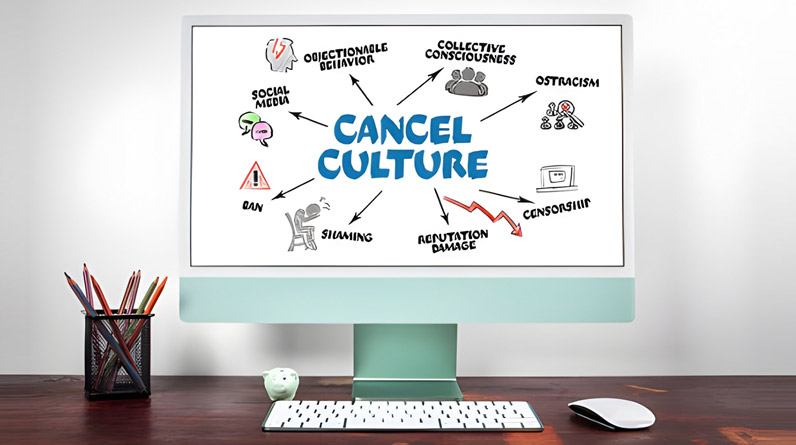
We’ve all witnessed it unfold on social media: someone makes a mistake, an old post resurfaces, or a public figure says something controversial. Within hours, hashtags trend, careers crumble, and the internet becomes a battlefield of opinions. But here’s the million-dollar question that’s dividing society: are we holding people accountable, or are we participating in cancel culture?
The answer isn’t as simple as picking a side. Understanding the distinction between genuine accountability and destructive cancellation is crucial for anyone navigating our increasingly digital world. Let’s break down where that line actually exists.
Understanding Cancel Culture: More Than Just Consequences
Cancel culture refers to the practice of withdrawing support from public figures or organizations after they’ve done or said something considered objectionable. But it’s evolved into something more complex than simple boycotting.
According to a 2021 Pew Research Center study, 44% of Americans report having personally witnessed someone being canceled online. The same research revealed that the phenomenon crosses political lines, though perceptions of its severity differ dramatically between groups.
What makes cancel culture distinct is its permanence and totality. It often involves:
- Demanding immediate removal from platforms or positions
- Rejecting any possibility of redemption or growth
- Pile-on harassment from thousands of strangers
- Disproportionate consequences relative to the offense
The goal isn’t correction or education—it’s erasure. And that’s where things get problematic.
What Real Accountability Actually Looks Like
Accountability, by contrast, focuses on responsibility and growth rather than punishment and exile. It’s a constructive process designed to create positive change.
True accountability includes several key elements that cancel culture typically lacks:
1. Proportional Consequences
The response matches the severity of the action. A tasteless joke from a decade ago might warrant an apology and reflection, not career destruction. Meanwhile, systematic abuse or criminal behavior deserves significant consequences.
Harvard Business Review notes that effective accountability in professional settings involves clear expectations, transparent processes, and opportunities for improvement—elements rarely present in cancel culture scenarios.
2. Room for Education and Growth
Accountability recognizes that people can learn from mistakes. It creates space for dialogue, understanding, and genuine change. Cancel culture often assumes the worst and refuses to acknowledge personal evolution.
Consider the difference: accountability asks “What can you do to make this right?” Cancel culture declares “You’re irredeemable.”
3. Focus on Impact Over Intent
While accountability acknowledges that harm occurred regardless of intent, it also considers context. Someone who unknowingly used outdated terminology receives different treatment than someone deliberately promoting hate.
4. A Path to Redemption
Perhaps most importantly, accountability offers a roadmap back. It might involve apologies, restitution, education, or changed behavior—but there’s always a possibility of restoration.
Where Society Draws the Line
So how do we distinguish between appropriate consequences and mob justice? Here are some practical markers:
The Permanence Test
Ask yourself: Does this response allow for any future redemption? If the answer is an absolute no, you’re likely witnessing cancel culture rather than accountability.
Research from the Journal of Social Psychology suggests that people are more likely to genuinely change behavior when they see a path forward rather than permanent condemnation.
The Proportionality Check
Does the punishment fit the crime? A celebrity losing endorsement deals over serious allegations differs vastly from a teenager being expelled for a poorly worded tweet. Context and scale matter enormously.
The Motivation Question
What’s the goal here? If the primary aim is to cause maximum damage, humiliate, or seek revenge, that’s cancel culture. If the focus is on preventing future harm and fostering understanding, that’s accountability.
The Digital Amplification Problem
Social media has fundamentally changed how we respond to wrongdoing. A 2020 MIT study found that false information spreads six times faster than truth on Twitter, and emotional content—particularly outrage—drives engagement algorithms.
This creates a perfect storm for cancel culture. What might have once been a private conversation or local controversy now becomes global within minutes. The mob forms before facts are verified, and the pile-on effect can be devastating.
Yet social media also enables accountability at unprecedented scales. It’s given voice to victims who previously couldn’t speak out against powerful figures. The #MeToo movement demonstrated how digital platforms could hold influential people accountable when traditional systems failed.
Finding the Balance in Your Own Response
When you encounter someone being called out online, consider these questions before participating:
Is the criticism based on verified facts? Misinformation fuels many cancel culture episodes. Take time to confirm details before joining any chorus.
Am I adding value or just piling on? If thousands have already made the same point, your addition might contribute to harassment rather than accountability.
Would I want this same standard applied to my past self? We’ve all made mistakes. Consider whether you’re advocating for a standard you could live with.
Is there room for dialogue? Accountability often involves conversation. If you’re only interested in condemnation, examine your motivations.
Moving Forward: A Culture of Growth
The line between cancel culture and accountability exists precisely where punishment ends and growth begins. It’s found in our willingness to distinguish between genuine harm and honest mistakes, between patterns of behavior and isolated incidents.
Creating a society that values accountability without resorting to cancel culture requires nuance—something the internet often struggles with. It means being comfortable with complexity, accepting that good people sometimes do bad things, and believing in the human capacity for change.
As we navigate these choppy waters, perhaps the question isn’t just about where the line is, but about what kind of culture we want to create. Do we want one rooted in fear of permanent exile, or one that acknowledges mistakes while fostering genuine growth and repair?
The answer shapes not just how we treat public figures, but how we treat each other—online and off. And that decision rests with each of us, every time we choose to engage.
🎬 That’s a wrap! Dive into more fresh content and join the vibe at SimpCity.