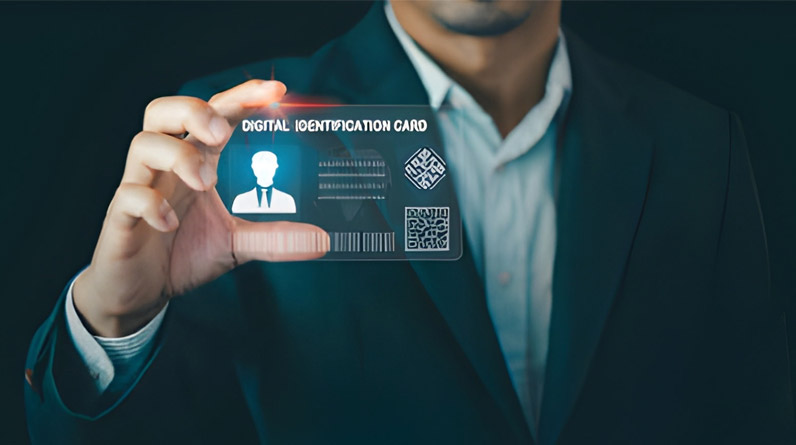
Every time you post a photo, leave a comment, or update your status, you’re contributing to something bigger than a simple social media update. You’re building your digital identity—a version of yourself that exists in ones and zeros, living permanently on servers scattered across the globe.
But here’s the million-dollar question: is your online self the same person who walks into the office each morning or shares coffee with friends on Sunday? For most of us, the answer is surprisingly complicated.
The Two Faces of Modern Identity
We live in an era where the boundary between our physical and digital lives has become increasingly blurred. According to a recent study by the Pew Research Center, the average person spends roughly 6 hours and 40 minutes online each day. That’s nearly one-third of our waking hours spent crafting, curating, and consuming digital content.
Our offline identity is the person your neighbor sees when you’re rushing to catch the bus, hair disheveled and coffee in hand. It’s the version that makes mistakes, shows vulnerability, and exists without filters or editing tools. This identity is raw, unpolished, and refreshingly human.
Meanwhile, our digital identity operates under entirely different rules. It’s the carefully selected profile picture from fifty attempts. It’s the witty caption you rewrote three times before posting. It’s the highlights reel of your life, minus the mundane moments and Monday morning blues.
Why We Create Different Personas Online
The Pressure of Perfection
Social media platforms have fundamentally changed how we present ourselves to the world. A Microsoft study found that 54% of young adults admit to curating their online presence to appear more successful or happy than they actually feel. This phenomenon, often called “highlight reel syndrome,” drives a wedge between who we are and who we pretend to be online.
The architecture of these platforms encourages this behavior. Every like, comment, and share provides a dopamine hit that reinforces our tendency to showcase only our best moments. We’re not lying, exactly—we’re just strategically selecting which truths to share.
Professional vs. Personal Boundaries
The workplace has added another layer of complexity to our digital identities. LinkedIn demands one persona—polished, professional, achievement-focused. Instagram might host another—spontaneous, creative, lifestyle-oriented. Twitter could reveal yet another facet—opinionated, witty, engaged in current events.
Research from CareerBuilder indicates that 70% of employers screen candidates’ social media profiles during the hiring process. This reality forces many people to maintain separate digital identities, carefully compartmentalizing their professional and personal online lives.
The Privacy Paradox
Here’s where things get really interesting. Despite widespread concerns about privacy and data collection, most people continue sharing intimate details of their lives online. This contradiction—simultaneously craving privacy while voluntarily broadcasting personal information—defines the modern digital experience.
According to data from the Identity Theft Resource Center, the average person has accounts on approximately 7.6 different social media platforms. Each platform holds fragments of our digital identity, creating a mosaic that’s often more revealing than we realize.
Data Trails and Digital Footprints
Every click, search, and interaction leaves a permanent mark. Your digital identity isn’t just what you intentionally share—it’s also the aggregate of your browsing history, purchase patterns, location data, and engagement metrics. Companies like Google and Facebook have built trillion-dollar businesses on understanding these digital breadcrumbs better than we understand ourselves.
The Electronic Frontier Foundation warns that the average person’s digital footprint includes over 2,000 data points that companies use to build detailed profiles for targeted advertising and other purposes.
The Authenticity Challenge
So how do we bridge the gap between our online and offline selves? Is it even possible to be authentic in digital spaces that seem designed to encourage performance and curation?
The answer isn’t about choosing between being completely guarded or entirely transparent. Instead, it’s about conscious intention. Some people are successfully finding balance by embracing a more realistic online presence—sharing failures alongside successes, posting unfiltered moments, and being honest about struggles.
The Rise of Digital Authenticity
Interestingly, younger generations are pushing back against the curated perfection that dominated early social media. Platforms like BeReal, which encourages unfiltered, spontaneous sharing, have gained massive popularity. This shift suggests a growing appetite for digital identities that more closely mirror our offline realities.
A study from the University of Pennsylvania found that authentic self-presentation on social media correlates with higher self-esteem and better mental health outcomes. When the gap between our online and offline selves narrows, we experience less psychological stress.
Finding Balance in the Digital Age
The relationship between our digital and offline identities doesn’t have to be adversarial. These aren’t competing versions of ourselves—they’re complementary aspects of a complete human experience in the twenty-first century.
The key is mindfulness. Before posting, ask yourself: Does this represent who I genuinely am, or who I think others want me to be? Am I sharing this moment because it matters to me, or because I’m seeking external validation?
Practical Steps Toward Integration
Start small. Share one unfiltered photo this week. Write a post about something you struggled with. Respond to others with genuine vulnerability rather than performative positivity. These small acts of authenticity can gradually align your digital identity more closely with your offline self.
Remember that your digital identity is ultimately within your control. You decide what to share, how to present yourself, and which platforms deserve your time and energy.
The Future of Identity
As virtual reality, augmented reality, and the metaverse continue evolving, the lines between online and offline will blur even further. The question of who we are in digital spaces will become increasingly central to our overall sense of self.
But regardless of technological advances, the fundamental challenge remains the same: how do we maintain our humanity in increasingly digital lives? How do we ensure that our online presence enhances rather than replaces our real-world connections and experiences?
The answer lies in recognizing that both identities—digital and physical—are authentic parts of who we are. They don’t have to be identical, but they should be aligned with our core values and true selves. When we achieve this alignment, we can navigate the digital world with confidence, knowing that our online presence is an extension of our offline reality rather than a contradiction of it.
Your digital identity is a powerful tool. Use it wisely, authentically, and in service of the person you genuinely are—both online and off.
🎬 That’s a wrap! Dive into more fresh content and join the vibe at SimpCity.